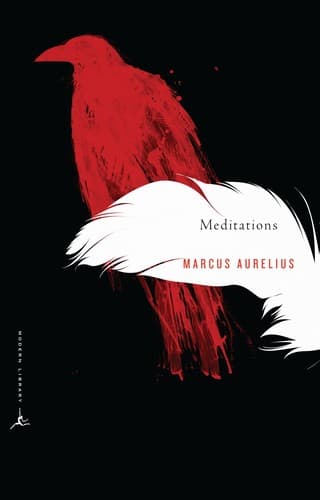
I listened to this while traveling to the Permissionless crypto conference in May. Maybe it was the airports. Maybe it was Miami. Either way—I didn't love the experience, though it was probably good for me.
More than a book, this feels like something that's best served in small doses. Think Buddhist kōans... or a desk calendar. The repetition critics note isn't a flaw—it's the point. Marcus was writing to himself, working through the same struggles day after day:
"If you are distressed by anything external, the pain is not due to the thing itself, but to your estimate of it; and this you have the power to revoke at any moment."
"The happiness of your life depends on the quality of your thoughts."
"How much more grievous are the consequences of anger than the causes of it."
These aren't arguments to be followed—they're mantras to be absorbed.
What makes the Meditations remarkable is who wrote them. This isn't a philosopher theorizing from comfort—it's a Roman Emperor, writing from military camps, dealing with plagues and wars and betrayals. The contradiction between Stoic acceptance and imperial conquest is worth sitting with. Marcus preached inner peace while commanding legions. The tension is the teaching.
Goodreads rates it 4.28 with over 300,000 reviews. For context, that's higher than most modern self-help despite being 1,800 years old. The ideas have aged better than most things written last year.
If this resonates, the natural next steps are Epictetus's Enchiridion (the slave's Stoicism, more practical) or Seneca's Letters from a Stoic (more literary, more human). For a modern application, Burkeman's Four Thousand Weeks channels these same ideas for our distracted age.