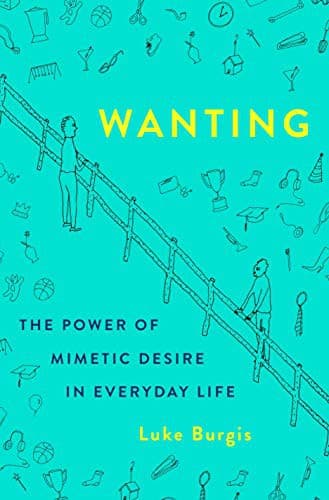
Wanting provides a comprehensive exploration of mimetic desire, a concept introduced by René Girard. While Girard framed mimetic desire in the context of literature and anthropology—often linking it to conflict and scapegoating in society—Burgis modernizes the idea by applying it to everyday life: careers, relationships, and consumer habits.
The core insight: our desires aren't original. We don't want things because we independently decided they're valuable. We want them because other people want them. Desire is contagious, spread through "models" we consciously or unconsciously imitate.
Burgis introduces a useful framework: Celebristan (distant models like celebrities—aspirational but not threatening) versus Freshmanistan (nearby rivals—peers competing for the same things). Proximity intensifies mimetic tension. You don't envy Elon Musk; you envy the colleague who got the promotion you wanted.
The Lamborghini vs. Ferrari example is perfect. Ferruccio Lamborghini started making sports cars after Enzo Ferrari insulted him. The entire brand exists because of mimetic rivalry. The same dynamic plays out in markets, social media, and office politics.
Critics note what the research file confirms: "limited original research; primarily summarizes Girard" and "scattered tactics lack concrete implementation guidance." It can feel repetitive, revisiting the same idea through multiple scenarios—much like a Malcolm Gladwell title. Goodreads (3.8 stars, 4,400 ratings) reflects this mixed reception.
But the concept itself has gained real traction beyond philosophy. Figures like Chamath Palihapitiya have cited Burgis when analyzing how investors often act based not on fundamentals, but on what others are doing. It explains meme stocks, bubbles, and the recursive nature of market sentiment.
At its worst, Wanting reiterates common sense. At its best, it offers a powerful framework for understanding both your own actions and those of others. It's especially relevant in today's social media-driven culture of constant comparison—but arguably more impactful in financial markets, where people buy or sell simply because others are doing so.
For the market application, pair with Soros's Alchemy of Finance (reflexivity) or Mandelbrot's Misbehavior of Markets.