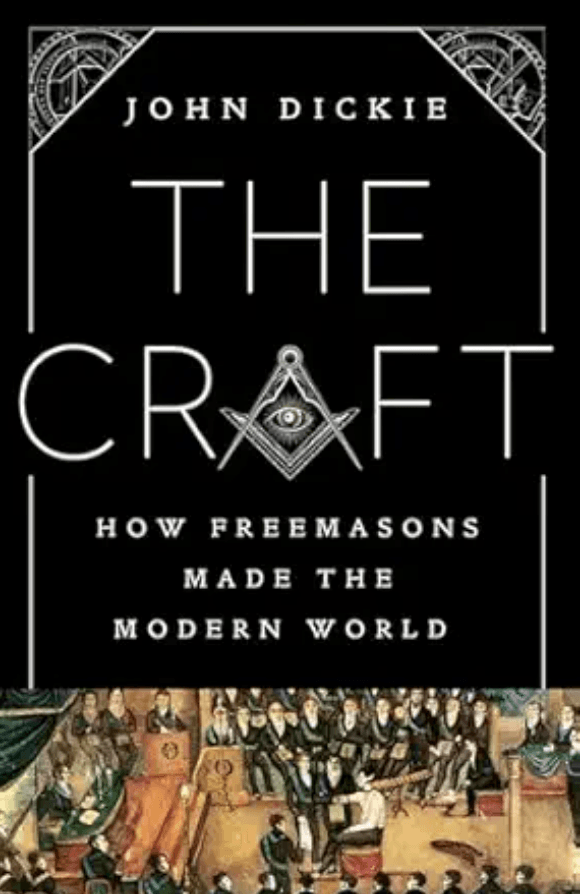
Dickie's history of Freemasonry strips away the conspiracy theories and replaces them with something more interesting: the actual story. From medieval stonemason guilds to the founding of the Grand Lodge in 1717 to global expansion, Freemasonry's real influence is more nuanced and more fascinating than the Dan Brown version.
The strongest chapters cover Masonry's role in the Enlightenment. The lodge system—where men of different social classes met as equals, debated ideas, and practiced ritual—was genuinely radical in 18th-century Europe. The principles of religious tolerance, rational inquiry, and fraternal equality that Masons promoted weren't just slogans; they were practiced in a society that offered none of these things. Many of the American and French revolutionaries were Masons, and their constitutional frameworks reflect Masonic ideals.
Dickie is also good on the darker chapters: Masonry's complicity with colonialism, its exclusion of women and minorities, and the P2 lodge scandal in Italy (a Masonic lodge tied to organized crime and political corruption). He doesn't sanitize the history.
The book is long (480 pages) and occasionally gets bogged down in organizational details—who was Grand Master when, which lodges split from which. The global scope means some regions get superficial treatment. The American chapters feel rushed compared to the British and Italian sections.
For another secret history of how informal networks shape power, The Medici covers how a single family controlled Florence through patronage rather than title. For the philosophical side of how societies organize around shared myths, Sapiens covers this at civilizational scale.