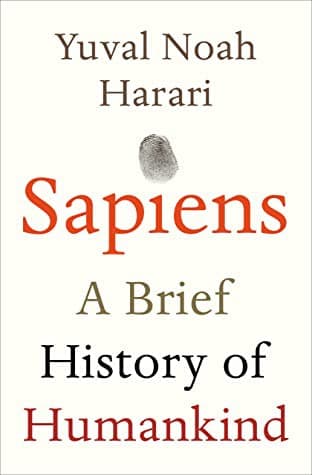
Harari's thesis is seductive: humanity's dominance stems not from individual strength or intelligence but from our ability to create and believe shared fictions—money, nations, religions, corporations. It's a compelling framework, and the first half of the book, covering the Cognitive Revolution and Agricultural Revolution, is genuinely brilliant.
The Agricultural Revolution chapter is the standout. Harari argues it was "history's biggest fraud"—humans domesticated wheat, but wheat also domesticated us, trapping us in backbreaking labor for a worse diet than hunter-gatherers enjoyed. It's a provocative reframing that sticks with you.
Where Sapiens falters is in the second half. The chapters on capitalism, empire, and religion cover too much ground too quickly. Harari's gift for sweeping narrative becomes a liability when nuance matters. He makes claims that sound profound but don't survive scrutiny—the kind of statements that feel true in the moment but fall apart when you think about them for five minutes.
Critics on Goodreads (4.38 stars, 800K+ ratings) frequently note that Harari "oversimplifies complex topics" and "cherry-picks evidence." They're right. But the book's real value isn't in the details—it's in the mental model. After reading Sapiens, you see shared myths everywhere: in markets, in politics, in the stories we tell about technology.
For Harari's speculative follow-up on where humanity goes next, read Homo Deus. For a sharper critique of how states impose legibility on messy human systems, try Seeing Like a State. For the deep evolutionary story Harari only sketches, Life Ascending goes deeper on how complex life actually emerged.