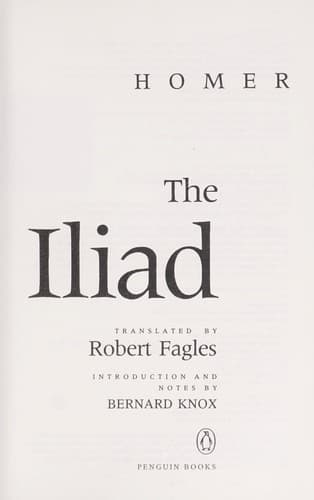
Similar to Dante's Inferno, this one was tough to get through. I'm not a classical literature major—have mercy. Still, I enjoyed what I did listen to, and I came away with a deeper respect for Homer and the long line of bards who passed down this epic tale around firesides.
The Iliad is relentlessly brutal. Battle scenes dominate, with anatomically precise descriptions of death—spears through throats, brains spilling from skulls, the whole catalog of ancient warfare. It's repetitive by design: the oral tradition demanded memorable patterns. But for a modern reader, hundreds of similar-sounding names and endless combat sequences test patience.
Achilles is the center, and he's not heroic by any modern standard. He's rage personified—withdrawing from battle over a personal slight, letting his allies die, returning only after his friend Patroclus falls. The Greeks valued kleos (glory) over what we'd call virtue. Achilles gets his glory; whether he earns our sympathy is another matter.
The gods are fascinatingly petty. They manipulate mortals for sport, switch allegiances mid-battle, and pursue personal grudges with divine power. Zeus watches Olympus bicker like a frustrated parent. The theology is as alien as the warfare.
Critics note the sexist undertones—female sexuality blamed for the war, women as prizes exchanged between men. It's accurate to the source, and uncomfortable to modern readers. Goodreads (3.93 stars, 500K+ ratings) reflects the divide: those who find it foundational, and those who find it exhausting.
Would I pass a test on The Iliad? Absolutely not. But I do feel like I grasp its lasting impact. Even in fragments, the story's weight and influence on Western storytelling is undeniable. F. Scott Fitzgerald drew from Homer; countless epics follow the patterns established here.
Maybe I'll give The Odyssey a (lightly skimmed) shot someday. For adjacent reading: The Song of Achilles by Madeline Miller offers a modern, accessible retelling. The Divine Comedy continues the epic tradition in a different register.