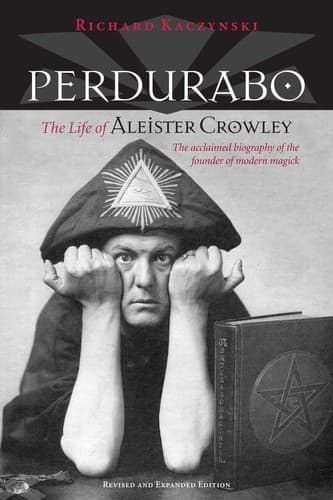
Kaczynski's biography of Aleister Crowley is the definitive treatment of one of history's most fascinating and infuriating figures. Crowley was an occultist, mountaineer, poet, chess master, spy (possibly), drug addict, and self-proclaimed "Great Beast 666." He founded a religion (Thelema), scandalized Edwardian England, and influenced everyone from Led Zeppelin to Jack Parsons to the counterculture of the 1960s.
What makes this biography valuable is Kaczynski's scholarly approach. He treats Crowley seriously without worshiping him—a rare balance in a field dominated by either hagiography or dismissal. The research is exhaustive (712 pages, extensively footnoted), drawing on primary sources, unpublished diaries, and interviews with surviving associates.
Crowley's actual life is more interesting than his magical system. The mountaineering expeditions (including a disastrous attempt on K2), the travels through North Africa and Asia, the drug experiments, the social provocations—he lived like a character in a novel he was also writing. His magical work, by contrast, is often tedious to read about: rituals, visions, and elaborate symbolic systems that resist summary.
The book's length is both its strength and weakness. Kaczynski covers everything, which means the pacing suffers in sections about organizational politics within Crowley's magical orders. The chapters on the Abbey of Thelema in Sicily and Crowley's later decline are the most compelling; the detailed accounts of lodge disputes are the least.
For another biography of a figure who defied every convention, Ben Franklin's Autobiography covers a more constructive rebel. For the music that Crowley's legacy influenced, Hammer of the Gods references his impact on Led Zeppelin.